Welcome
  1. You are here:  
  2. Home
  • Home

Meditation

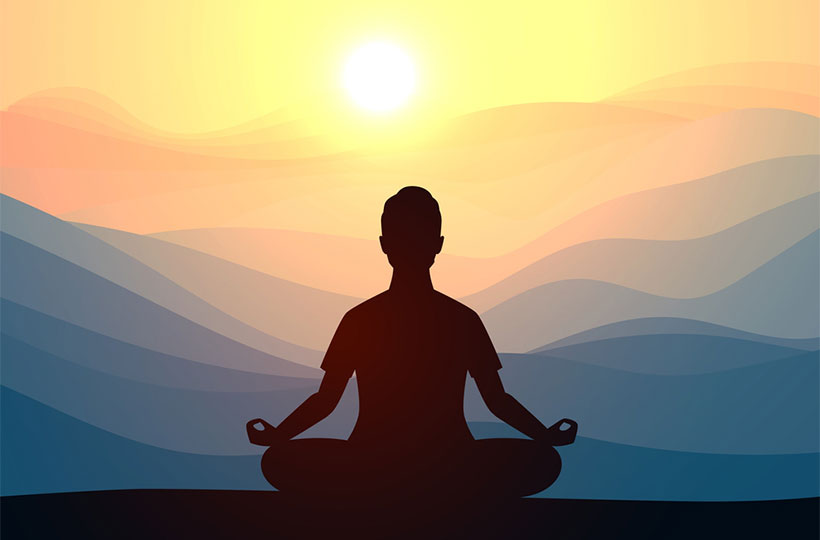
Meditation is a mental training practice to focus attention and awareness, achieving mental clarity, calmness, and emotional balance by using techniques like breath focus, mantras, or mindfulness to quiet mental chatter and reduce stress. It's an ancient practice with secular benefits, improving focus, emotional regulation, sleep, and overall well-being, with common forms including mindfulness and focused attention, often using breath, sounds, or imagery as anchors to the present moment.

What it is

  • A mental exercise: 

Like physical exercise for the body, meditation trains the mind for better focus and calm. 

  • Focus & awareness: 

Training attention to a single point (breath, sound) or observing present experience without judgment. 

  • Detaching from thoughts: 

Learning to observe thoughts as temporary events, not defining your identity. 

Common Techniques

  • Mindfulness: Paying attention to the present moment, including thoughts, feelings, and sensations, without judgment. 
  • Focused Attention: Concentrating on a single object, like your breath, a mantra (repeated word), or a visual image. 
  • Loving-Kindness/Compassion Meditation: Cultivating feelings of warmth and kindness towards oneself and others. 

Key Benefits

  • Stress & Anxiety Reduction: Lowers cortisol and improves nervous system response to stress.
  • Improved Focus: Enhances attention span and concentration.
  • Emotional Well-being: Fosters emotional balance, empathy, and resilience.
  • Better Sleep: Contributes to improved sleep quality. 

How to Start (Beginner's Guide)

  1. Find a quiet spot: Choose a comfortable, peaceful place where you won't be interrupted. 
  1. Sit comfortably: On a cushion or chair, with a straight but relaxed spine. 
  1. Choose your anchor: Focus on your breath (the sensation of inhaling/exhaling), a sound, or a simple word. 
  1. Gently redirect attention: When your mind wanders (it will!), gently guide your focus back to your anchor without self-criticism. 
  1. Start small: Even 5-10 minutes daily can bring benefits. 


Yoga

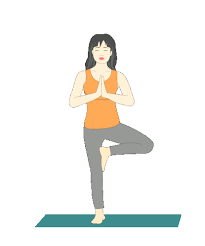
Yoga is an ancient Indian practice combining physical postures (asanas), breathing techniques (pranayama), and meditation to unite mind, body, and spirit, aiming for harmony, health, and spiritual awareness, with its name from Sanskrit meaning "to join" or "yoke". While traditionally a spiritual discipline for liberation, modern yoga often focuses on physical fitness, stress relief, and mental well-being through various styles like Hatha, Ashtanga, or Bikram.

Core Components
Asanas (Postures): Physical movements that build strength, flexibility, and balance.

Pranayama (Breath Control): Techniques to regulate breath, calming the mind and energizing the body.

Dhyana (Meditation): Practices to focus the mind and achieve tranquility. 


Goals & Philosophy
Union: To unite individual consciousness with universal consciousness (the self with the divine). 
Holistic Health: To foster harmony between mind, body, and spirit, leading to overall well-being. 
Spiritual Awakening: Traditionally, yoga's ultimate aim is spiritual liberation (Moksha) or self-realization.

Modern Practice
Today, yoga is widely practiced for its physical benefits (strength, flexibility) and mental benefits (stress reduction, focus). 
Styles vary from gentle Hatha to vigorous Ashtanga, often adapted for different needs and levels. 

Health Benefits
Regular practice offers extensive advantages for overall well-being: 
Physical: Improves flexibility, builds muscle strength, lowers blood pressure, and can relieve chronic pain like backaches.
Mental: Reduces stress and anxiety, improves sleep quality, and enhances concentration and memory.
Spiritual: Encourages self-awareness, discipline, and a sense of oneness with the world.


Gardening

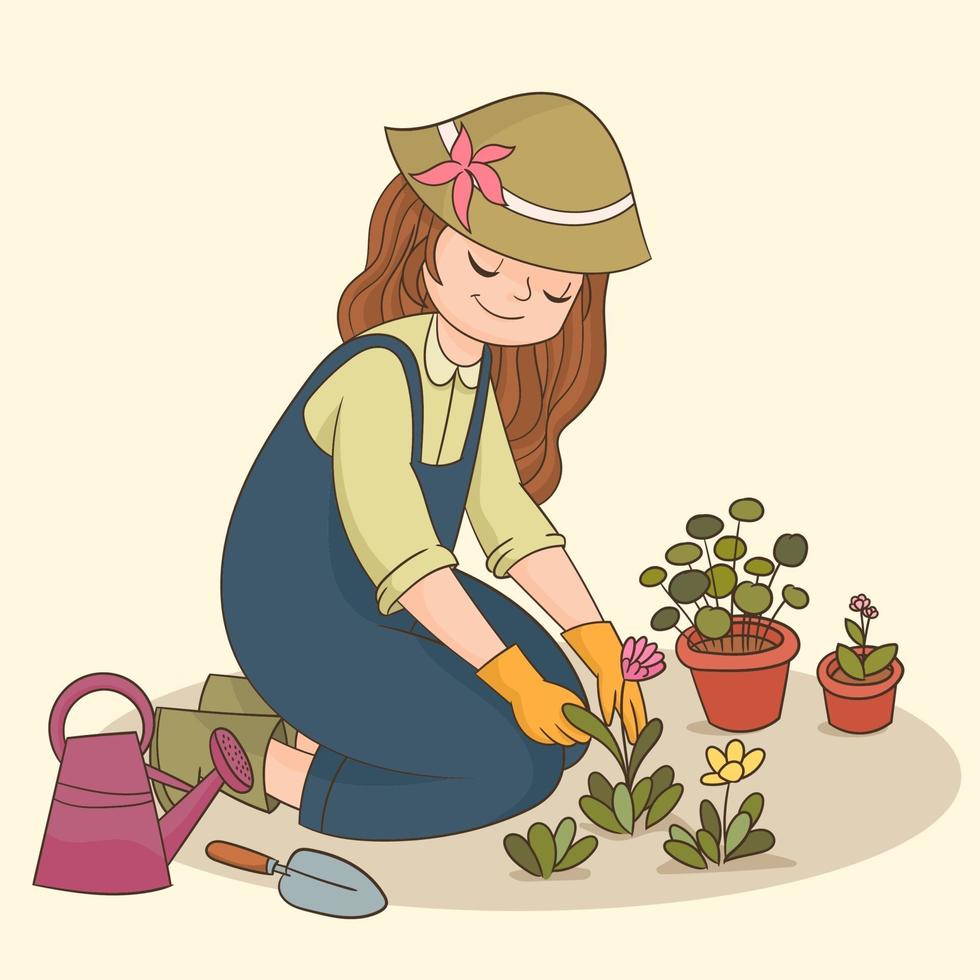
Gardening at home has become a major wellness trend in 2025, offering both significant health benefits and a sustainable way to produce food in any living space.


Starting Your Home Garden
For beginners, the key is to start small and prioritize the following essentials:
  • Space Selection: Choose a spot that receives at least 5–6 hours of direct sunlight daily. If you lack outdoor space, consider vertical gardening using wall-mounted planters or windowsill setups.
  • Soil Quality: Healthy soil is the foundation of gardening. Mix in organic compost or vermicompost to enrich it with nutrients.
  • Essential Tools: Basic gear includes a trowel for digging, pruning scissors for maintenance, and a watering can for gentle irrigation.
  • Watering Habits: Water only when the topsoil feels dry; overwatering can lead to root rot.
Top Plants for Home Gardens (2025)
  • Easy Vegetables: Tomatoes, chilies, radishes, and leafy greens like spinach or lettuce.
  • Fresh Herbs: Basil, mint, coriander, and rosemary are ideal for kitchen windowsill gardens.
  • Low-Maintenance Indoor Plants: Snake plants, ZZ plants, and pothos thrive with minimal watering and low light.
  • Popular Flowers: Roses, Hibiscus, and Marigolds (which also help deter pests).
Core Benefits of Home Gardening
  • Health & Wellness: Gardening is a low-impact exercise that reduces cortisol (the stress hormone) and boosts mental well-being.
  • Economic Savings: Growing "staple" items you frequently consume, such as herbs or lettuce, can notably reduce monthly grocery bills.
  • Environmental Impact: Home gardens support biodiversity by providing habitats for bees and butterflies.
  • Sustainability: Using rainwater harvesting and home composting reduces your household's waste and carbon footprint.
Modern Trends for 2025
  • Smart Gardening: Many gardeners now use app-controlled irrigation systems and soil moisture sensors to monitor their plants remotely.
  • Climate-Resilient Gardens: There is a surge in using drought-tolerant native plants and rainwater collection to adapt to unpredictable weather patterns.


Cooking

Cooking is the art and science of using heat to prepare food, making it safer, more digestible, and more flavorful. In 2025, home cooking has evolved into a key pillar of wellness, combining traditional methods with modern efficiency.
Essential Cooking Techniques
Most culinary methods are categorized into three primary types:
  • Dry Heat: Uses air or fat to transfer heat at high temperatures, creating crispy textures through caramelization or the Maillard reaction. Examples include roasting, baking, grilling, and sautéing.
  • Moist Heat: Relies on water or steam to cook food gently, which helps retain nutrients. Common methods include boiling, steaming, poaching, and simmering.
  • Combination: Merges both techniques, such as braising or stewing, where food is seared first and then cooked slowly in liquid to tenderize tough ingredients.
Core Benefits of Home Cooking
  • Health & Nutrition: People who cook at home consume significantly fewer calories, sugar, and sodium compared to those who rely on takeout. It is an effective intervention for managing weight and preventing type 2 diabetes.
  • Mental Well-being: The process of chopping and stirring serves as "culinary mindfulness," reducing stress and providing a creative outlet.
  • Sustainability: Cooking at home reduces food waste and minimizes single-use plastic packaging. In 2025, there is a strong shift toward hyperlocal sourcing and using seasonal ingredients to reduce carbon footprints.
2025 Home Cooking Trends
  • Nostalgic Comfort: A resurgence in "retro-style" and childhood favorite dishes like cottage pie, multi-colored school cakes, and classic lasagne.
  • Plant-Based & Functional Foods: Increasing use of mushrooms as meat alternatives and the inclusion of "superfoods" like turmeric and millets for gut health.
  • Global Fusion: Modern dishes often blend traditions, such as butter chicken tacos or masala ramen. Tamarind has been noted as a standout flavor of the year for its versatility in both sweet and savory dishes.
  • Smart Kitchens: The use of AI-personalized menus and app-controlled appliances is streamlining daily meal preparation.