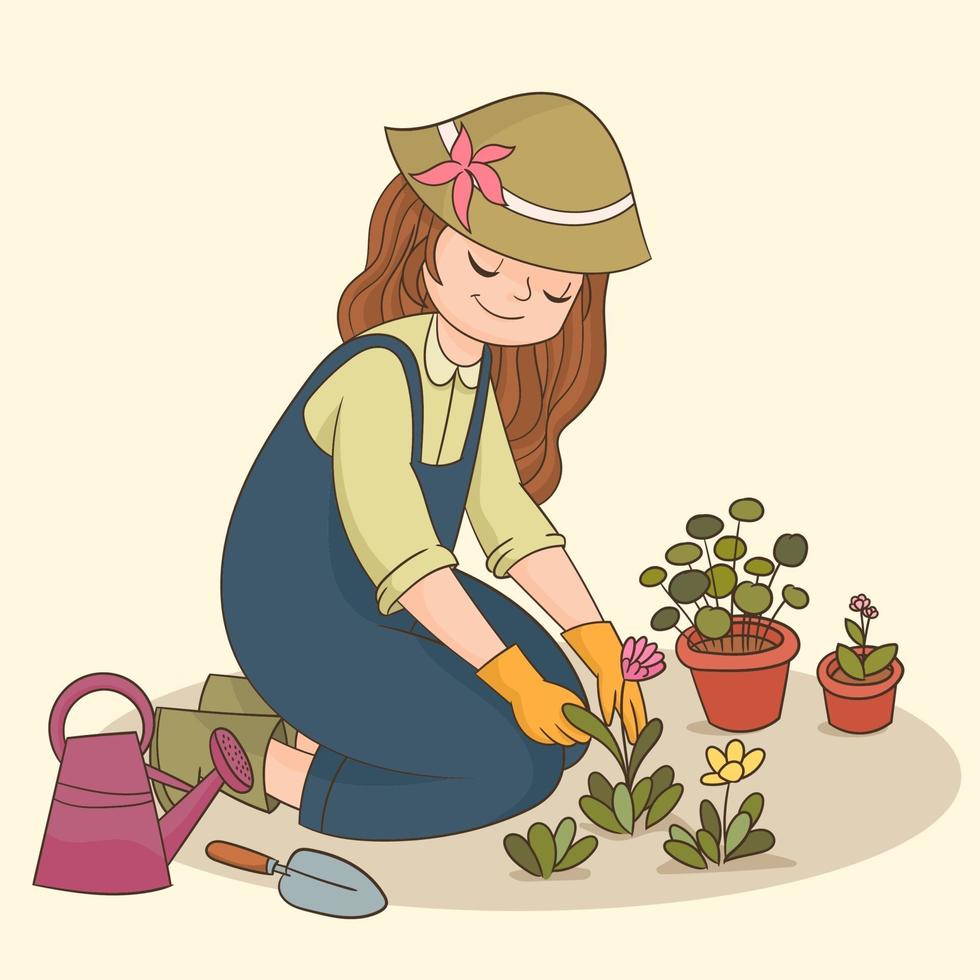
Gardening at home has become a major wellness trend in 2025, offering both significant health benefits and a sustainable way to produce food in any living space.
Starting Your Home Garden
For beginners, the key is to start small and prioritize the following essentials:
Space Selection: Choose a spot that receives at least 5–6 hours of direct sunlight daily. If you lack outdoor space, consider vertical gardening using wall-mounted planters or windowsill setups.
Soil Quality: Healthy soil is the foundation of gardening. Mix in organic compost or vermicompost to enrich it with nutrients.
Essential Tools: Basic gear includes a trowel for digging, pruning scissors for maintenance, and a watering can for gentle irrigation.
Watering Habits: Water only when the topsoil feels dry; overwatering can lead to root rot.
Top Plants for Home Gardens (2025)
Easy Vegetables: Tomatoes, chilies, radishes, and leafy greens like spinach or lettuce.
Fresh Herbs: Basil, mint, coriander, and rosemary are ideal for kitchen windowsill gardens.
Low-Maintenance Indoor Plants: Snake plants, ZZ plants, and pothos thrive with minimal watering and low light.
Popular Flowers: Roses, Hibiscus, and Marigolds (which also help deter pests).
Core Benefits of Home Gardening
Health & Wellness: Gardening is a low-impact exercise that reduces cortisol (the stress hormone) and boosts mental well-being.
Economic Savings: Growing "staple" items you frequently consume, such as herbs or lettuce, can notably reduce monthly grocery bills.
Environmental Impact: Home gardens support biodiversity by providing habitats for bees and butterflies.
Sustainability: Using rainwater harvesting and home composting reduces your household's waste and carbon footprint.
Modern Trends for 2025
Smart Gardening: Many gardeners now use app-controlled irrigation systems and soil moisture sensors to monitor their plants remotely.
Climate-Resilient Gardens: There is a surge in using drought-tolerant native plants and rainwater collection to adapt to unpredictable weather patterns.